
Servis Sigorta Ar. Hiz. Ltd.
Cargo Insurance for Europe–Türkiye Road Freight
A carrier's liability under the CMR convention is capped at 8.33 special drawing rights per kilogram of gross weight. That limit is calculated from weight, not from what the goods are worth — so for light, high-value cargo it can fall far short of the invoice value. Cargo insurance closes that gap, and ours is arranged by Servis Sigorta Ar. Hiz. Ltd., an agency inside our own group.
The gap most shippers do not know they are carrying
Ask a shipper whether their freight is insured and the usual answer is that the carrier is liable. That is true, and it is not the same thing.
International road carriage runs under the CMR convention, and CMR Article 23 caps what a carrier has to pay: 8.33 units of account per kilogram of gross weight, where the unit of account is the special drawing right. The cap is a function of what the consignment weighs. It takes no account of what it is worth.
What that looks like in practice
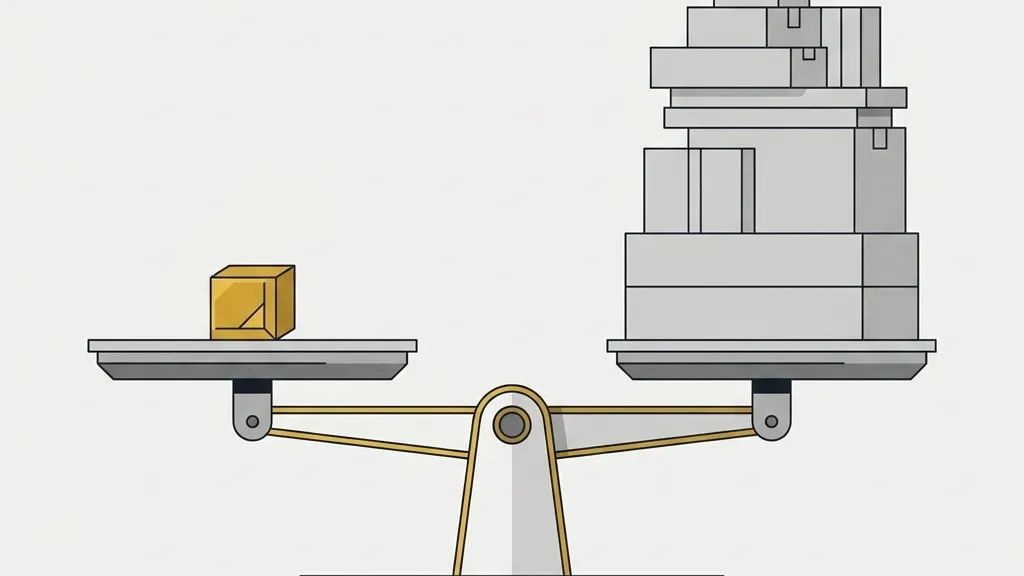
Two consignments, both 500 kg. One is machine parts worth EUR 6,000. The other is instruments worth EUR 120,000.
Under CMR, the maximum compensation is identical for both: 500 × 8.33 SDR. For the machine parts that is likely to cover the loss. For the instruments it covers a small fraction of it, and the balance sits with whoever owns the goods.
The arithmetic is simple enough to do before you ship: gross weight in kilograms × 8.33 = the cap in SDR, converted at the rate the International Monetary Fund publishes daily. Set that against your invoice value and you have the exposure.
Weight-based caps and part loads
Groupage is where this bites hardest, because part loads skew towards exactly the profile the cap handles worst. A pallet of high-value goods is light — that is often why it travels as part of a consolidated load rather than filling a trailer. Light and valuable is the combination the CMR limit was never designed to make whole.
None of this is a criticism of CMR. It is a liability regime that allocates risk predictably, which is what it is for. It is simply not a substitute for insuring the goods.
Insurance from inside the group
Servis Sigorta Ar. Hiz. Ltd. is the insurance agency within the General Logistic Group, alongside the transport company and the customs brokerage.
The practical difference is information. The people arranging the cover can see the shipment file — the route, the commodity, the value declared for customs, the transit profile of that particular lane. Cover arranged in that context fits the consignment rather than a generic description of it.
It also removes an argument that shippers otherwise have to have. When transport, clearance and cover are three separate suppliers, a loss becomes a question of whose problem it is. When they are one organisation, it does not.
What to do before the consignment moves
Work out the cap for your consignment. Compare it against the invoice value. If the difference is a number you would not want to absorb, say so when you send us the shipment details — the time to arrange cover is before loading, not after a claim.
This page describes how the liability regime works in general terms. What applies to your specific consignment depends on the goods, the value and the contract — send us the details and we will go through it with you.
Sources
The legal and regulatory statements on this page come from the official sources below.
- 01UNECE — Convention on the Contract for the International Carriage of Goods by Road (CMR): maximum carrier liability of 8.33 SDR per kg gross weight2026
- 02EUR-Lex — CMR Article 23(3): "Compensation shall not, however, exceed 8.33 units of account per kilogram of gross weight short"2026
Updated: 27 July 2026
Frequently asked questions
Is my consignment not already insured by the carrier?
Not in the way most shippers assume. A carrier is liable under the CMR convention, but that liability is limited: Article 23 caps compensation at 8.33 units of account — special drawing rights — per kilogram of gross weight. It is a liability regime, not an insurance policy for the value of your goods.
Why does a weight-based cap matter?
Because it has nothing to do with what your goods cost. Take a 500 kg consignment: the CMR cap is 500 × 8.33 SDR, regardless of whether those 500 kg are worth 5,000 or 500,000 euros. For dense, low-value cargo the limit may well cover the loss. For light, high-value cargo — electronics, instruments, branded goods, samples — it can cover a fraction of it.
How do I work out what the cap would be for my shipment?
Multiply the gross weight in kilograms by 8.33 to get the figure in special drawing rights, then convert at the current SDR rate — the International Monetary Fund publishes it daily. Compare that against your invoice value. The difference is the amount you are carrying yourself unless the consignment is separately insured.
What does cargo insurance cover that CMR liability does not?
A cargo policy is written against the value of the goods rather than their weight, and it responds to loss or damage regardless of whether the carrier was at fault. CMR liability only engages where the carrier is responsible and stays within the cap even then. Which cover is appropriate depends on the goods, the value and the route — that is the conversation to have before the consignment moves, not after.
Why arrange it through you rather than separately?
Servis Sigorta Ar. Hiz. Ltd. is part of our group, so the cover is arranged by people who can see the shipment file: the route, the goods, the value, the transit profile of that lane. It also means one organisation is accountable when something goes wrong, instead of a carrier and an insurer each pointing at the other.
Does groupage change the risk?
It changes the handling profile. In groupage your consignment is consolidated at a terminal, loaded alongside other shippers' goods and handled more than a full load would be. That is not inherently riskier, but it is a different exposure, and it is worth deciding on cover with that in mind rather than by default.
Tell us about your consignment
Collection address, what the goods are, weight and dimensions. We will come back with the terminal, the expected transit and what the paperwork needs.